

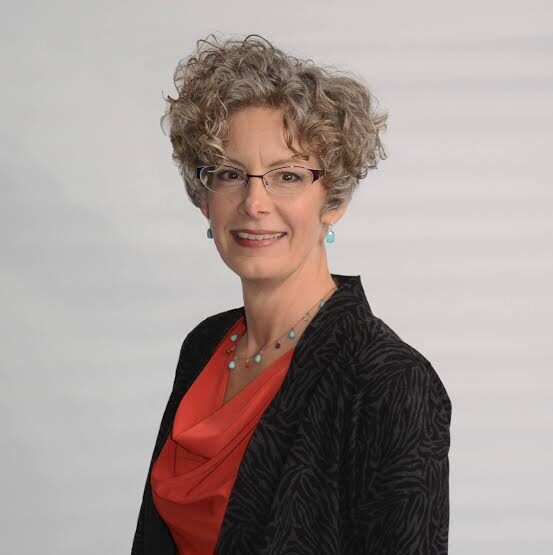
Sally K Norton on The Livin’Sky podcast
Are Toxic Superfoods Harming Your Child Without You Knowing It
Today we are talking about toxic superfoods harming your child in ways most parents have never considered. If you have been blending spinach into smoothies, offering almond milk, and reaching for sweet potatoes and almonds as healthy snacks, this post is going to stop you in your tracks. I sat down with Sally K. Norton, Ivy League trained nutritionist and bestselling author of Toxic Superfoods, and what she shared is one of the most important nutritional conversations I have had on this show.
What Are Toxic Superfoods and Why Should Parents Know About Oxalates
Oxalates are tiny compounds found in plants. They start as oxalic acid, which has a strong negative charge and bonds powerfully with positively charged minerals like calcium, iron, and magnesium. When oxalic acid bonds with calcium, it forms calcium oxalate, which is the primary ingredient in kidney stones.
Most people have only heard of oxalates in the context of kidney stones. But as Sally explains, oxalates do not just affect the kidneys. They affect the entire body. Oxalates can accumulate in the brain, the eyes, the bones, the thyroid, the vascular system, and the gut. They disrupt energy production at the cellular level, interfere with calcium ion signaling in the nervous system, and have been linked to symptoms including brain fog, anxiety, mood instability, constipation, ear infections, joint pain, and what can look like autistic behaviors in children.
What We Have Known Since the 1930s and Chose to Ignore
This is where it gets frustrating.
By the mid-1930s, nutrition researchers already knew that feeding spinach to infants caused severe calcium and iron deficiency. The calcium in spinach is bound to oxalic acid and is essentially zero percent bioavailable. Not only does the child get no calcium from the spinach, the oxalic acid actively causes the body to lose calcium from other foods consumed at the same meal.
This was known. It was studied. And it was deliberately set aside because the messaging was too complicated and the industry did not want to deal with it.
Today spinach is marketed as a superfood. It is one of the most commonly recommended first foods for babies. And it is showing up in smoothies, pouches, and baby cereals across the country.
The Toxic Superfoods Harming Your Child That Are Marketed as Healthy
Sally listed the highest offenders clearly. These are the foods most commonly marketed as superfoods or healthy choices that are actually among the highest in oxalates:
Spinach, Swiss chard, and beet greens. Almonds, cashews, and peanuts. Sweet potatoes. Beets. Quinoa. Kiwi. Bran and whole grains. Potatoes. And chocolate, which is also high in cadmium, lead, and theobromine on top of the oxalates.
If you have a child with chronic ear infections, mood instability, poor focus, anxiety, constipation, or difficulty sleeping, the foods on that list are worth paying attention to.
Why Almond Milk Is One of the Worst Things You Can Give a Child
This one surprised me and I want to make sure every parent hears it.
Almond milk is extremely high in oxalates. Its watery consistency makes oxalic acid highly bioavailable, meaning it moves quickly from the food into the bloodstream. Even commercial almond milk with added calcium only reduces oxalate absorption partially. For a small child, it is still too much. The calcium is not bioavailable. Their body cannot absorb it. Oxalic acid makes things even worse.
Oat milk and cashew milk have similar problems. If you cannot use dairy, these are not safe substitutes from an oxalate perspective.
What to Feed Your Child Instead of These Toxic Superfoods
Sally was clear. What children actually need are minerals and protein. And those do not come reliably from plants.
For babies starting solids, she would recommend sardines, egg yolks, cheese, and liver. Melon and low oxalate fruits for flavor and texture exposure. Organic jasmine rice from India, soaked and drained, for carbohydrates. And quality dairy if the child tolerates it.
For older children, the backbone of the diet should be animal foods: eggs, meat, poultry, fish, dairy, and organ meats when possible. These foods provide the minerals, fat soluble vitamins, and complete proteins that growing children genuinely need. And they contain virtually no oxalates.
What This Means for Picky Eaters
This is where I want to speak directly to the overwhelmed moms in my community.
We torture ourselves when our picky eaters refuse vegetables. We panic, Google, try to hide spinach in sauces and sneak kale into muffins.
But what Sally shared gives me a very different perspective. Children who resist spinach, sweet potatoes, almonds, and kiwi may actually be responding to something real in their bodies. Their instincts may be worth listening to rather than overriding.
And the foods that many picky eaters will readily eat, eggs, cheese, meat, butter, dairy, are actually the foods that serve them best nutritionally.
This does not mean picky eating is not worth addressing. It absolutely is, and the root causes are real and multilayered. But it does mean that the goal of getting your child to eat more vegetables is far less urgent than we have been led to believe. Focus on quality animal foods. Let go of the spinach smoothie guilt. And pay attention to what your child’s body is actually telling you.
The Fiber Myth
One more thing worth knowing. Sally finds that a high fiber diet often makes constipation worse, not better. Too much fiber feeds bacterial overgrowth in the colon, creates more digestive burden, and makes the gut work harder rather than easier.
Many of her clients with chronic constipation improve significantly when they reduce fiber and focus on nourishing animal foods instead. This runs completely counter to everything we have been told, and it aligns with what I see in the picky eating families I work with all the time.
About Sally K. Norton
Sally K. Norton is an Ivy League trained nutritionist, public health researcher, and the bestselling author of Toxic Superfoods. She earned her nutrition degree from Cornell and a master’s in public health, and spent years working in medical education and research before her own healing journey led her to become one of the world’s leading experts on dietary oxalates.
Sally K. Norton’s book, “Toxic Superfoods: How Oxalate Overload Is Making You Sick and How to Get Better” is available everywhere books are sold.
The Data Companion to Toxic Superfoods is available at https://sallyknorton.com/toxic_superfoods/data_companion.
Sally’s cookbook, Sally’s Recipe Collection, is filled with amazing recipes and can be found at Shop.SallyKNorton.com.
For more information, visit SallyKNorton.com or follow Sally on YouTube and social media. She’s @sknorton and @toxicsuperfoods_oxalate_book on Instagram, @BeFreeToThrive on Facebook, and @BetterLowOx on X.
Links:
Website: https://sallyknorton.com
Instagram: https://www.instagram.com/sknorton
Instagram: https://www.instagram.com/toxicsuperfoods_oxalate_book
Facebook: https://www.facebook.com/BeFreetoThrive
X: https://twitter.com/BetterLowOx
YouTube: https://www.youtube.com/channel/UCFpmJtV19QCyjzaC5U691-A
Toxic Superfoods: https://www.amazon.com/gp/product/0593139585?tag=randohouseinc7986-20
Data Companion: https://sallyknorton.com/toxic_superfoods/data_companion
Sally’s Recipe Collection: https://shop.sallyknorton.com/products/low-oxalate-recipe-book-pdf-only
About Lena Livinsky
Lena Livinsky is a speech language pathologist and holistic pediatric feeding specialist and the founder of Livin’Sky Kids. She helps overwhelmed moms of picky eaters understand what is actually driving their child’s food refusal using the BLOOM Framework. Book a free Clarity Call with Lena

Lena Livinsky, M.A., CCC-SLP, is a pediatric feeding specialist, speech-language pathologist, and founder of Livin’Sky Kids. She helps families look beyond picky eating to understand the whole child, including nutrition, oral skills, sensory needs, the microbiome, nervous system, sleep, and environment. As a mom of a picky eater herself, Lena blends clinical expertise with a practical, compassionate approach to help families raise confident, nourished eaters.


